Masters of Science in Paramedics
Ethiopia is one of the largest populated countries with over 110 ...
View Details

Ethiopia is one of the largest populated countries with over 110 ...
View Details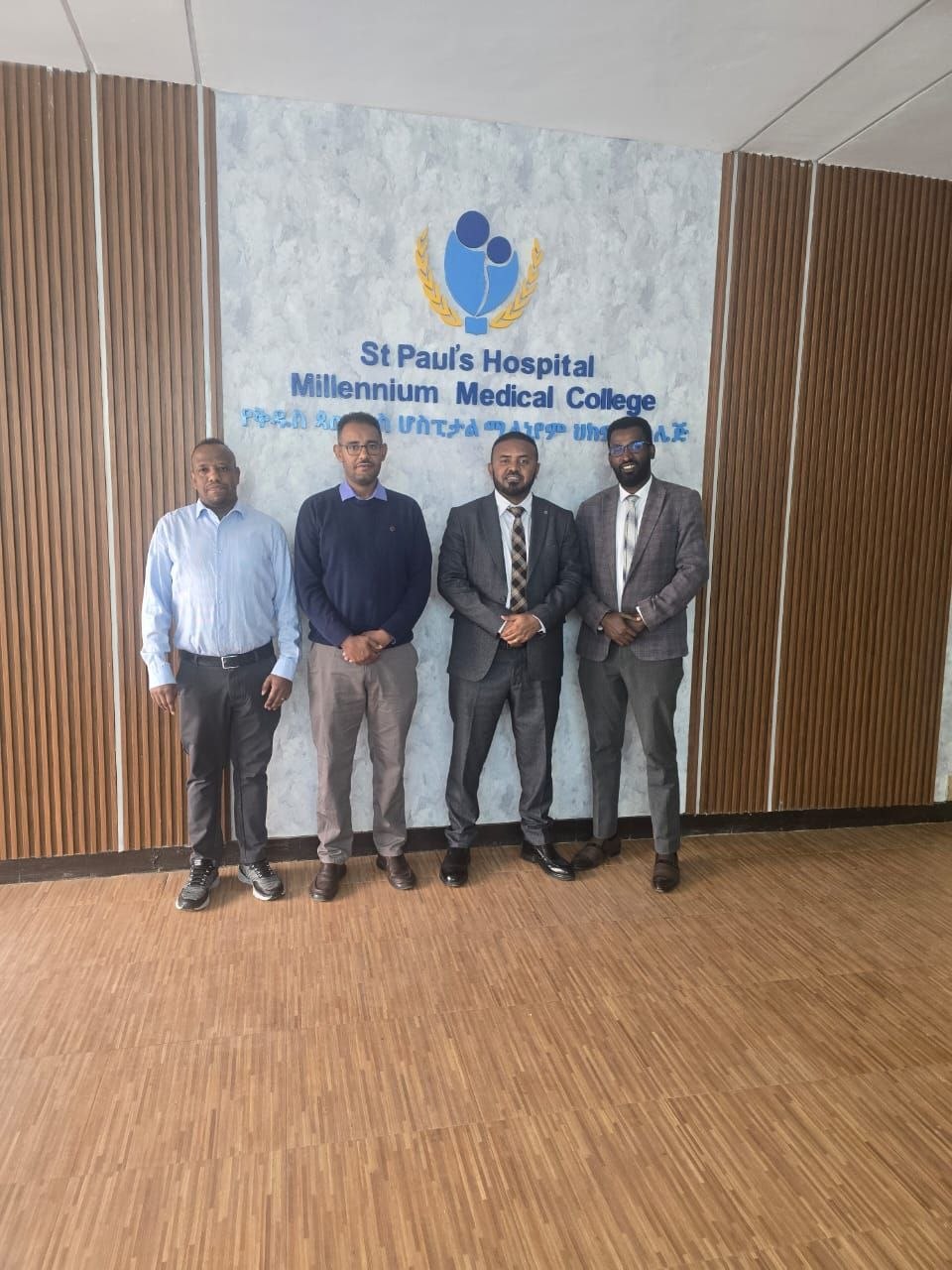
The ESEP Board paid an official visit to St. Paul Millennium Medical College today. Discussions centered on general collaboration, with a specific focus on partnership opportunities for the WACEM 2026...
View Details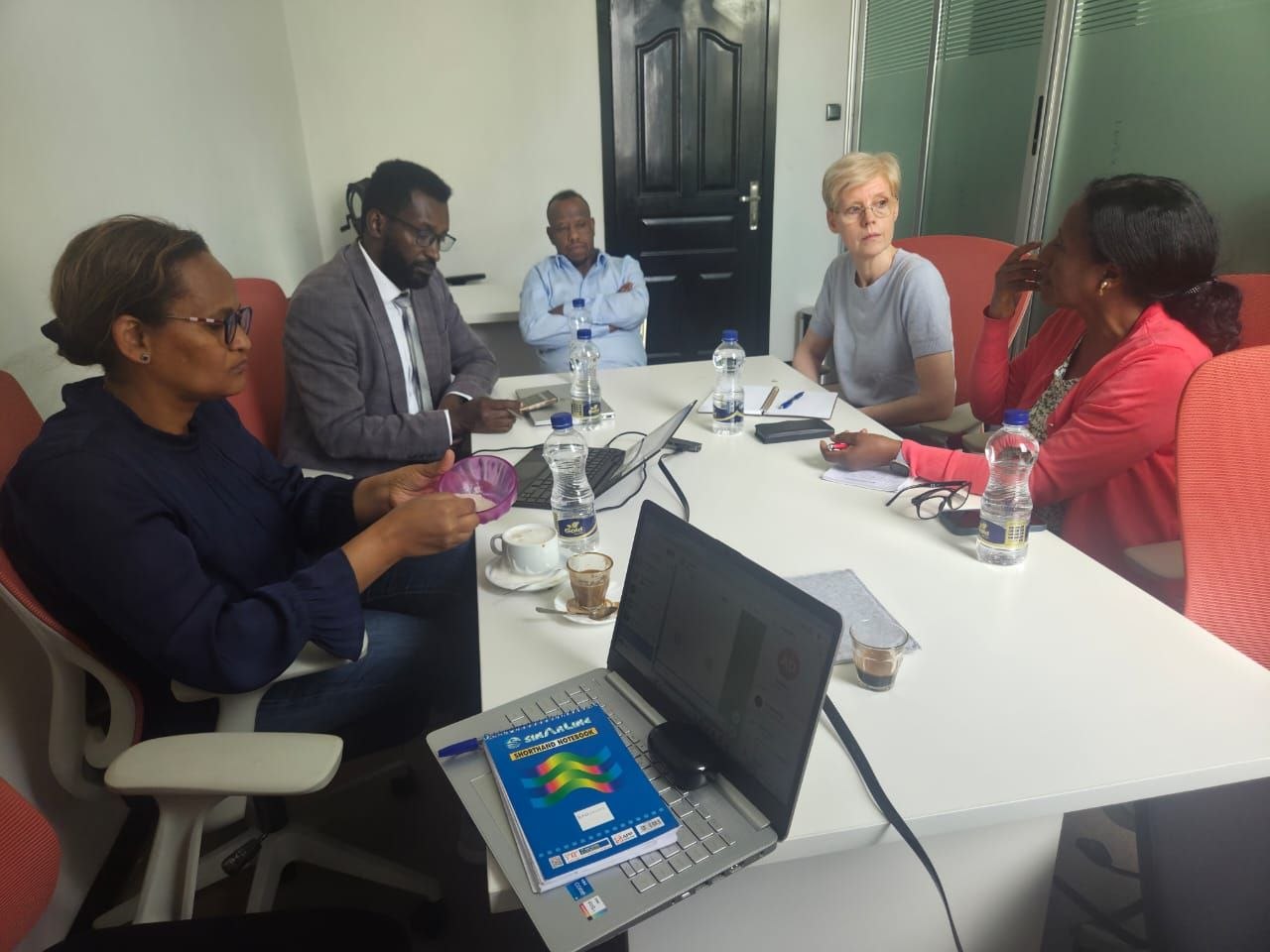
ESEP welcomed long-term partner Laered Leligates for an in-office meeting today. Discussions focused on future partnership opportunities and strengthening collaboration. The visit was described as an ...
View Details
The wait is over! Registration and Abstract submissions are officially OPEN for the World Academic Congress of Emergency Medicine in Addis Ababa! ...
View Details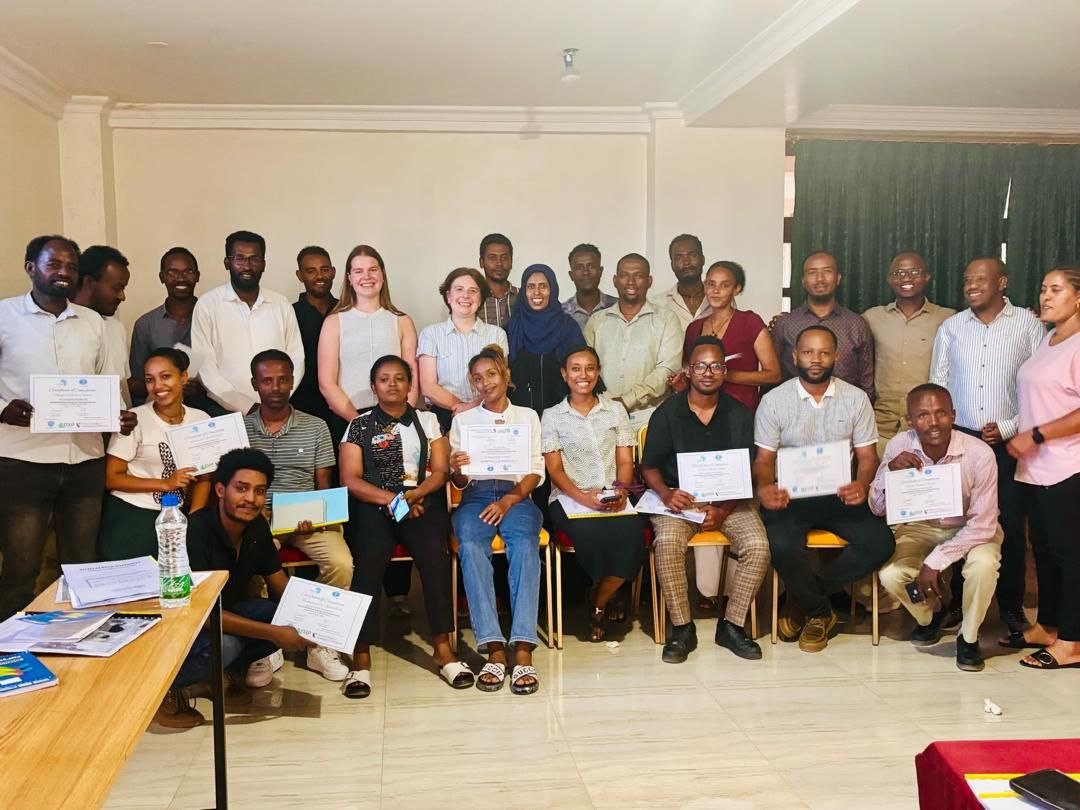
The first hybrid Basic Emergency Care (BEC) training in the region completed today in Arba Minch. The training was made successful by ESEP in collaboration with royal college of Emergency Medicine, AF...
View Details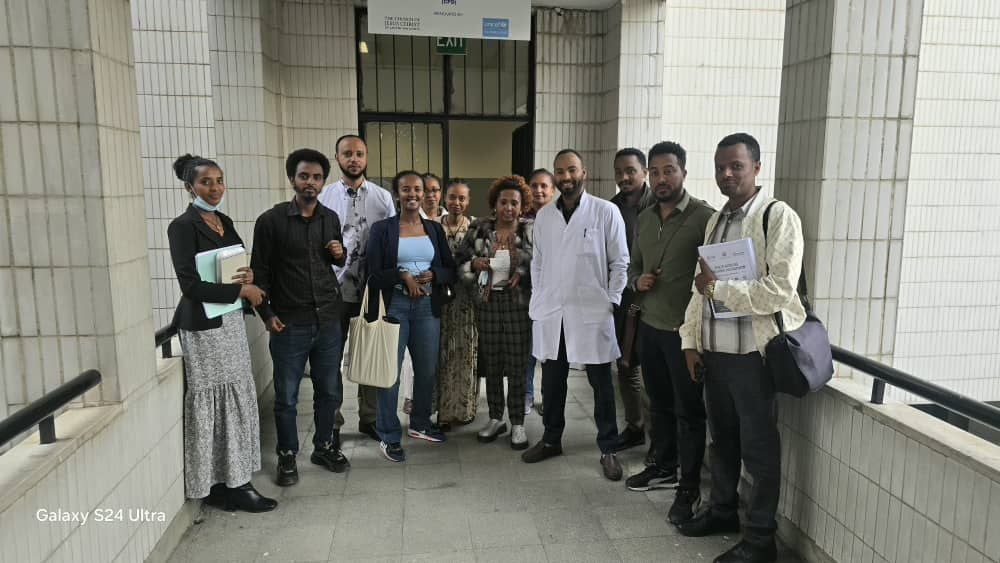
'ESEP, in collaboration with Addis Ababa University College of Health Sciences (AAU‑CHS), conducted a successful three‑day training on health guidelines, funded by a Gates Foundation grant. Partic...
View DetailsEbola disease is a severe, often fatal illness in humans.
• Three different viruses are known to cause large Ebola disease outbreaks: Ebola virus, Sudan virus and Bundibugyo virus.
• The average Ebola disease case fatality rate is around 50%. Case fatality rates have varied from 25–90% in past outbreaks.
• Early intensive supportive care with rehydration and the treatment of symptoms improves survival.
• Approved vaccines and treatments are only available for one of the viruses (Ebola virus) and are under development for the others.
ኢቦላ በሽታ በሰዎች ላይ ከባድ እና ብዙ ጊዜ ለሞት የሚዳርግ በሽታ ነው።
• ሦስት የተለያዩ ቫይረሶች ሰፊ የኢቦላ በሽታ ወረርሽኞችን ያመጣሉ ተብሎ ይታወቃል፡፡እነዚህም ፦ ኢቦላ ቫይረስ፣ ሱዳን ቫይረስ እና ቡንዲቡጆ ቫይረስ ይባላሉ።
• የኢቦላ በሽታ አማካይ የሞት መጠን (case fatality rate) በግምት 50% አካባቢ ሲሆን ቀድመው ተከስተው በነበሩት ወረርሽኞች የሞት መጠን ከ25–90% ይደርሳል።
• በፍጥነት የሚደረግ እንክብካቤ፣ በተለይ ሰውነትን በፈሳሽ መጠገን እና ምልክቶችን ማከም የመትረፍ እድልን ያሻሽላል።
• ምርምር የተደረገባቸው እና ፍቃድ ያገኙ ክትባቶች እና ሕክምናዎች ለአንድ ቫይረስ ብቻ (ለኢቦላ ቫይረስ) ይገኛሉ፤ ለሌሎቹ ግን አሁንም በጥናት ላይ ናቸው።

Emergency medical technicians (EMT) and ambulance technicians are terms used in some countries to denote a health care provider of emergency medical services. EMTs are clinicians, trained to respond quickly to emergency situations regarding medical issues, traumatic injuries, and accident scenes. Not all ambulance personnel are EMTs however, and the term is sometimes used informally to refer to ambulance personnel in general. In English-speaking countries, there is an official distinction between EMTs and paramedics, in which paramedics have additional educational requirements, qualifications, and scope of practice. EMTs are most commonly found working in ambulances, but should not be confused with "ambulance drivers" or "ambulance attendants" – ambulance staff who in the past were not trained in medical care. EMTs are employed by private ambulance services, governments, hospitals, and fire departments. EMTs provide medical care under a set of protocols, which are typically written by a physician. Some EMTs are paid employees, while others (particularly those in rural areas) are volunteers.

A paramedic is a specialist healthcare professional who responds to emergency calls for medical help outside of a hospital. Paramedics mainly work as part of the emergency medical services (EMS), most often in ambulances. The scope of practice of a paramedic varies among countries, but generally includes autonomous decision making around the emergency care of patients.
Not all ambulance personnel are paramedics, although the term is sometimes used informally to refer to any ambulance personnel. In English-speaking countries, there is an official distinction between paramedics and emergency medical technicians (or emergency care assistants), in which paramedics have additional qualifications and are accountable to a professional regulatory body.