
Dr. Woldesenbet Waganew
President
Dr. Woldesenbet Waganew Dode Associate professor of Emergency medicine and critical care with MPH. Worked as emergency service directorate director at St Paul hospital millennium medical college. Currently working as Addis Ababa burn emergency, Trauma (AaBET Hospital chief of Hospital affairs). He has various experience in disaster management as he worked as national incident commander for disaster medical assistant team in multiple disaster situations. Also worked as leader for senior COVID 19 technical clinical advisory team at FMOH Ethiopia. Researcher with multiple publication. Assumed numerous responsibilities in managing various national projects with other national and international stakeholders. Worked as ESEP Board member. As associate professor, his contribution has been significant in research and clinical guideline. He has published over 22 peer reviewed articles.
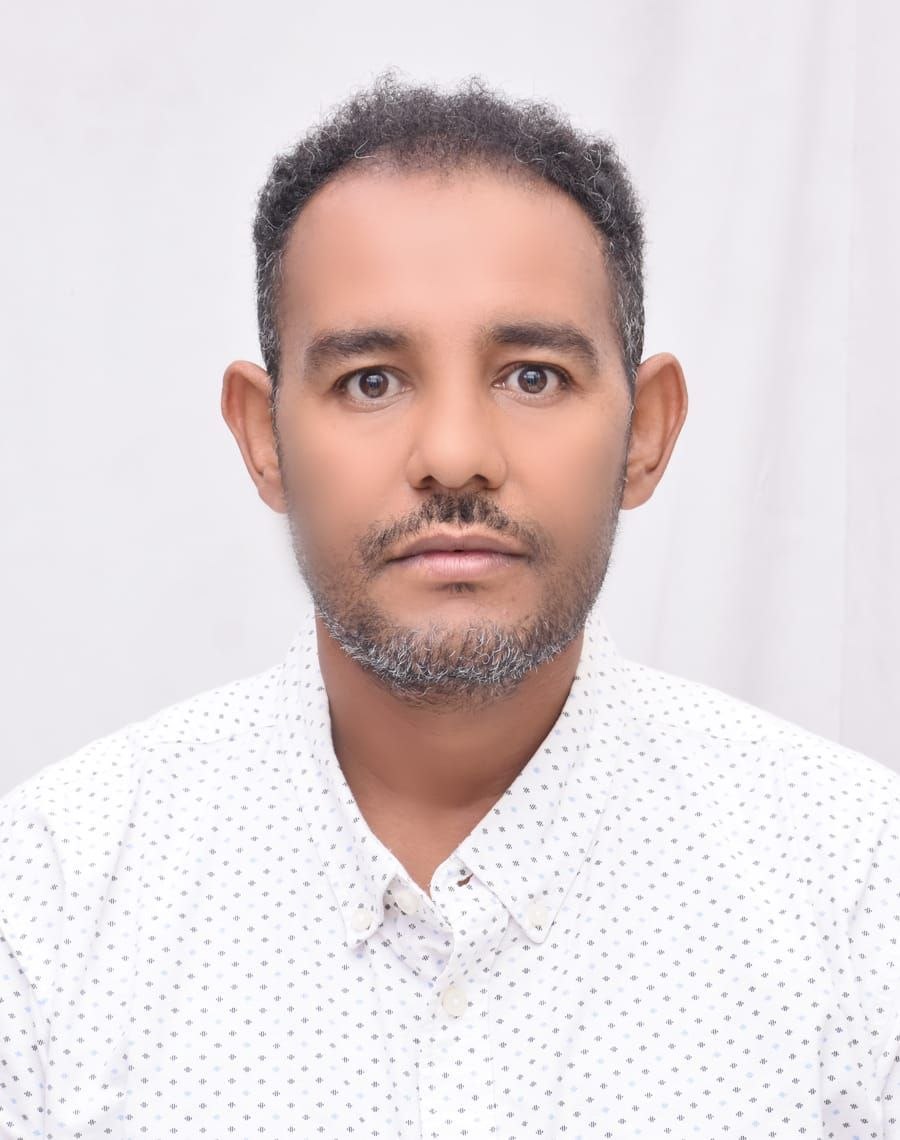
Mr Ephrem Hassen
Vice President
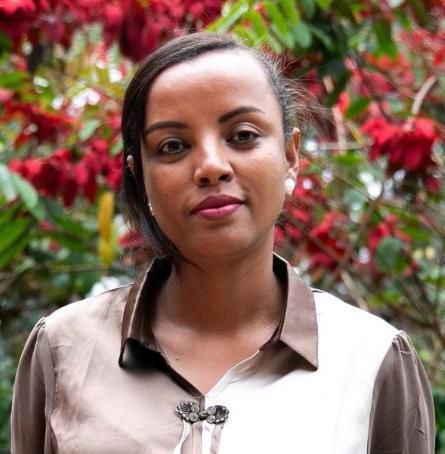
Dr. Emnet Tesfaye Shimber
Secretary
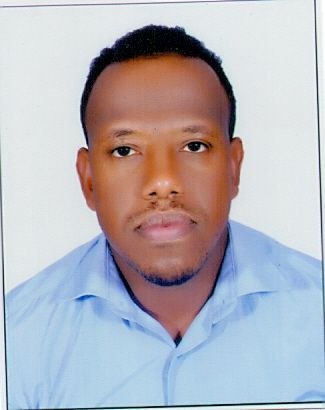
Dr. Tesfaye Getachew
Executive Board Member

Jalene Aga
Board Member
Sr. Jalene Aga is currently a Clinical Practitioner of Emergency medicine and critical care nursing at Addis Ababa burn Emergency and trauma hospital, St Paul hospital Millennium medical college. She is certified in Emergency medicine and critical care nursing. In addition, she serves as an Emergency Nurse Director.
Sr. Jalene showed an interest in science from an early age, she then focuses on attending science study in camps after graduating high school.
She received her undergraduate degree from Kia med medical College and her master’s degree from Addis Ababa University, School of Medicine.
Her first job was at Gelemso general hospital for a year, then at Hawassa referral university hospital for a year and a half. She then served at Amanuel mental specialized hospital for six years as a Nurse and case team leader. Sr. Jalene decided that she wanted to specialize and become an Emergency and critical care nurse. The years that followed a lot of studying and practical work.
However, Sr. Jalene was natural. Calm under pressure, she could handle just about anything that was thrown at her. Among her colleagues, she was greatly respected as being willing to share her vast knowledge and experience of emergency medical care.
She worked together with a multi-disciplinary team of clinicians and hospital management. During this time she built up her clinical, problem solving and leadership skills.
Today, Sr. Jalene is often one of the first faces you’ll see at Addis Ababa Burn Emergency and trauma hospital when resuscitating life-threatening patients, leading and mobilizing the team, following and filling staff and medical equipment’s gaps, responding for an accident at scenes and giving nursing direction at the flour at all.
She encourages and mentors students interested in Emergency and trauma science to plan to develop their careers carefully.

Lemlem Beza Demisse
Board Member
Lemlem Beza is an Emergency Medicine and Critical Care nurse practitioner at the Emergency Department, Addis Ababa, University. She was born and raised in the Oromia region North Shewa Zone Fitch. And, has completed her primary and secondary school at her birthplace. She is a native Ethiopian. So, she has experienced first-hand what it is like to live in a resource-limited setting both as a citizen and as a nurse. One of the critical problems faced by Ethiopians is limited health care access, especially in rural settings where she resided for many years. After completing her bachelor’s degree in nursing from AAU, she practiced as a community nurse in a rural clinic for three years. Her responsibilities included primary care across the lifespan of patients. In addition to these, she has also participated in community education programs that provided primary care information to rural residents.
She has observed the urgent need for adequate emergency care in rural areas. Patients were not being effectively assessed or provided sufficient treatment. These primary care experiences in rural Ethiopia prompted her to complete her master’s degree in emergency medicine and critical care nurse practitioner from Addis Ababa, University. Currently, she is a researcher, lecturer, and community service provider at Addis Ababa University (AAU) in the Department of Emergency Medicine where her work centers on emergency nursing and improving access to care in the emergency department (ED).
In the emergency department, she has served in an administrative capacity overseeing care coordination including triage and emergency care for a variety of conditions, additionally working as an Emergency and Critical care nursing unit head.
As a community service provider, she has actively involved in the training of diverse community members including AAU employees, taxi drivers, police, and students on basic emergency care. These individuals are now able to provide first response emergency care successfully in community settings.
In collaboration with the Ministry of Health and IOM, she has participated in the care and support of Ethiopian immigrants. Furthermore, works as a technical working group for the development of national guidelines and protocols in emergency and critical care directorate at the Ministry of Health level.
She has published more than 6- articles in peer-reviewed journals and co-authored a book on emergency drug reference books for nurses and physicians working at the emergency department. She has also granted a travel scholarship from CUGH, Egyptian Society of Critical Care and Emergency Medicine to get the opportunity to present her research works in San Francisco, New York, Egypt, and South Africa.
She is a PhD candidate at Emory University School of Nursing her research is on ACS patient symptom awareness, seeking the delay, and diagnosis delay. She was among the 2018/19 African presidential Scholarship winners which are a prestigious Scholarship from the University of Michigan African Presidential scholarship and UMAPS alumni. This year she also won a post-doctoral grant from Vanderbilt-Emory-Comell-Duke (VECD) consortium Fogarty Global Health Program for Fellows and Scholars. Currently, she is working as unit head of Emergency medicine and Critical Care nursing and Vice president of the Ethiopian Society of Emergency and Critical Care professionals.

Dr. Menbeu Sultan
Board Member
Dr. Menbeu Sultan is currently an Associate Professor of Emergency Medicine and Critical care sub-specialist at the St. Paul's Hospital Millennium Medical College. He is one of the few certified in Advanced Cardiac Life Support from the American Heart Association. In addition, he served as a Director of the Intensive Care Unit of St. Paul’s hospital and President of the Ethiopian Society of Emergency and Critical Care Professional. He received his medical doctorate degree from Mikelle University, School of Medicine and he completed his residency from Addis Ababa University, Department Emergency Medicine, and his fellowship in medical St. Johns Medical College Hospital Bangalore India.
Dr. Menbeu Sultan also served in the district hospital for a couple of years as a clinician and researcher. He also has a Masters in Public Health. Currently he is working as a technical advisor at the Ministry of Health in the preparedness, response, and recovery of COVID-19 pandemic. In addition, a task force at emergency and critical care directorate and actively involved in the development of national guidelines and protocols such as ICU protocol, National disaster preparedness, response guideline, and pre-hospital guideline. During this time, he built up his research and publication profile, both nationally and internationally. In the meantime, he also delivered a substantial contribution to leadership, teaching, and management.
As an Associate professor of Critical care medicine his contribution has been significant in research and treatment of various types of Critically ill patients and he has received awards for his accomplishments such as travel scholarship from CUGH, Egyptian Society of Critical Care, and Emergency Medicine. He has published over 11 peer-reviewed articles, authored a textbook on Disaster preparedness and response.
Apart from his interest in research, he is known for his compassion for critically ill patients and says it’s a great delight to him when he sees critically ill patients benefitting from innovative treatments. Dr. Menbeu is known for mentoring young students. He believes that by encouraging the next generation of physicians to take an interest in research, improving critically ill patient outcomes will be possible in the near future.
He encourages students interested in emergency medicine and critical care to plan carefully their career, get involved in research from early on in medical school, and to take advantage of any opportunities to find a mentor.